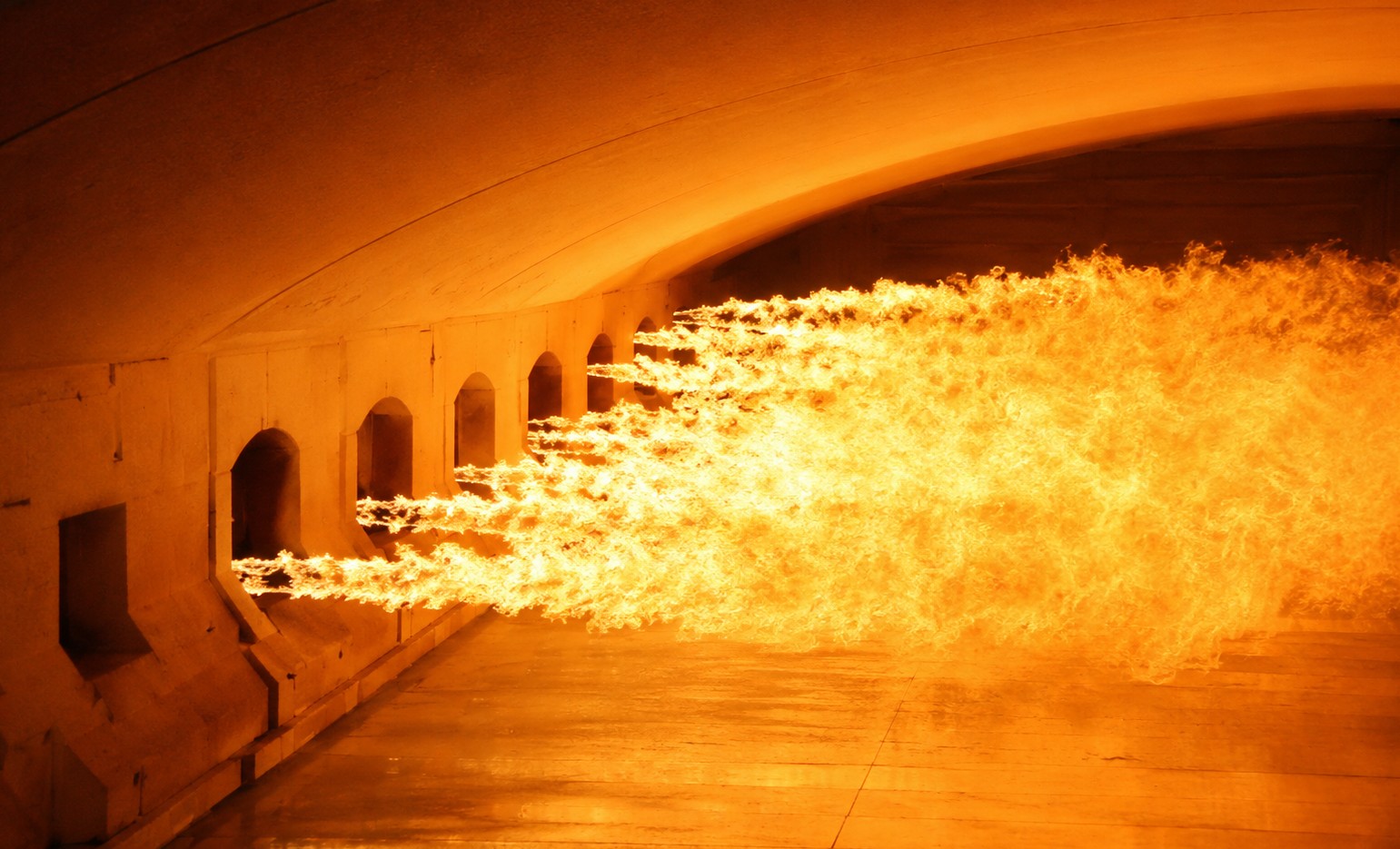
See inside the furnace while it fires — check flame, water-wall tubes, refractory and slagging without taking the boiler offline.
Place 1.mp4 in the site root to play the inspection video here.
Industrial and petrochemical boilers must run reliably between planned outages. Poor combustion, slagging or tube and refractory damage cut efficiency and can force an unplanned trip.
Our high temperature endoscope looks into the furnace through an existing peep door or burner port while the boiler fires — so flame shape, water-wall tubes and refractory can be checked live.


Boiler furnaces are affected by:
Most of these problems are invisible from outside. Live inspection links a flame or slagging issue to the exact location, so adjustments are made before efficiency drops or a tube fails.
Flame shape, stability and balance across the burners.
Overheating, scaling, bulging and slag coverage on tubes.
Erosion, cracking and spalling of furnace refractory.
Deposit build-up affecting heat transfer.
Burner condition, alignment and flame impingement.
Condition of heating surfaces and gas passes.
Furnace water walls, burners and superheater zones.
Furnace tube and combustion chamber condition.
Combustion chamber refractory and cyclone areas.
Fired heater tubes, flame and refractory.
Inlet, refractory and heating surface condition.
General furnace and combustion monitoring.
Use an existing peep door or burner port and prepare the insertion point.
Guide the cooled probe into the furnace.
View flame, tubes and refractory in real time.
Record images and video for evaluation.
Provide references for combustion tuning and repair.
Tell us your boiler type, furnace temperature and access ports — we'll recommend the right probe configuration.