See into the combustion chamber while it burns — monitor the grate, refractory, slagging and high-temperature corrosion without stopping the line.
Place 1.mp4 in the site root to play the inspection video here.
Municipal and hazardous waste incinerators run continuously in one of the harshest furnace environments — variable fuel, heavy slagging and aggressive chlorine-rich corrosion.
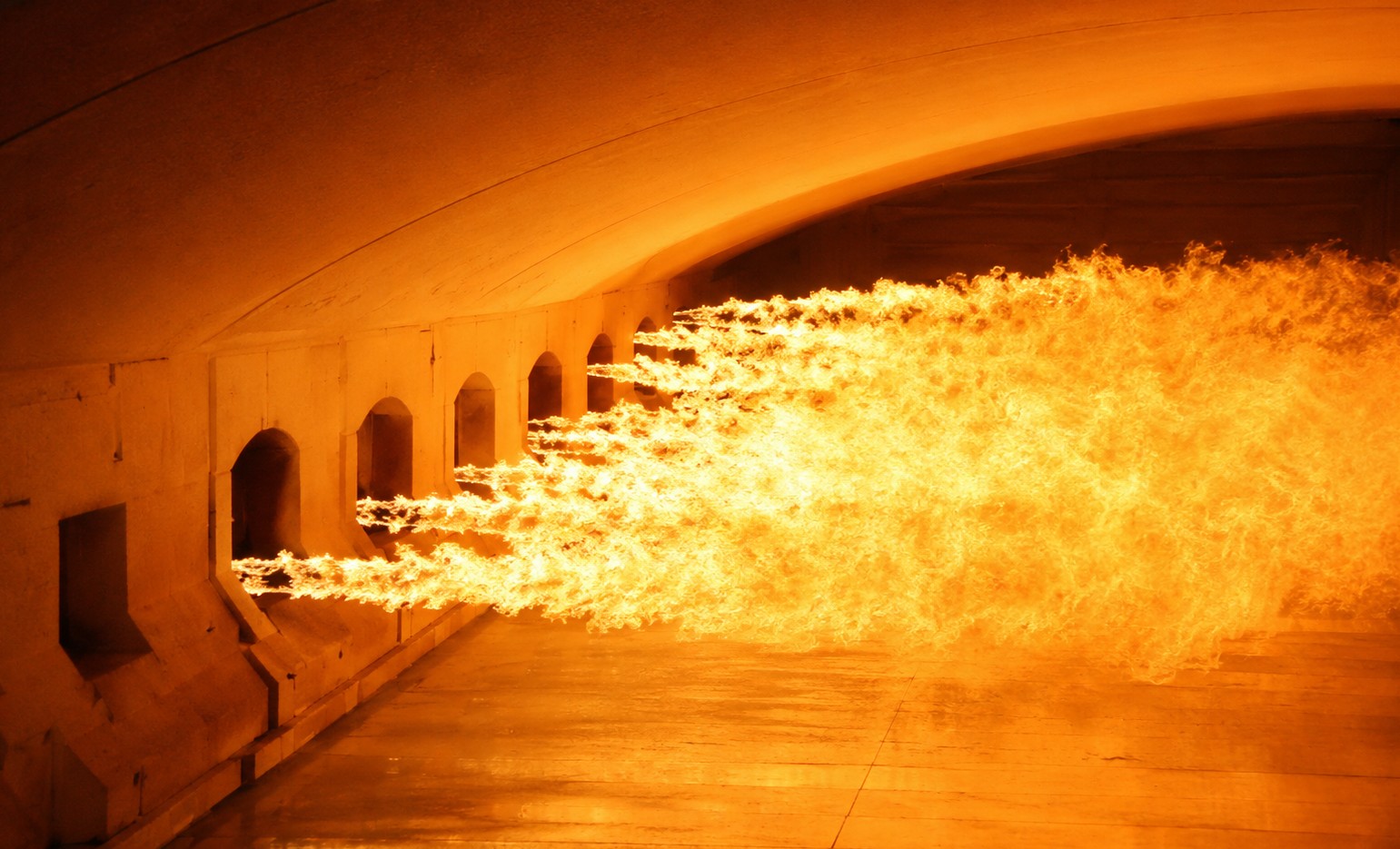
Our high temperature endoscope inspects the combustion chamber through existing ports while the unit fires — so combustion, the grate, refractory and tube condition are checked live, without a shutdown.


Incinerator chambers are affected by:
Corrosion and slagging build up fast in waste firing. Live inspection links a combustion or slagging problem to its location, so it is corrected before efficiency drops or a forced outage occurs.
Burn-out, flame distribution and unburned material.
Grate bars or rotary-kiln lining and movement.
Erosion, cracking and spalling of chamber refractory.
Molten slag and clinker build-up on walls and grate.
Chlorine-driven wastage of tubes and walls.
Restricted channels, feed and gas passages.
Main combustion zone, grate and refractory.
Burn-out zone for complete combustion.
Moving grate or rotary-kiln interior condition.
Membrane walls and refractory protection.
First-pass tubes and slagging on heating surfaces.
Feed chute and bottom-ash discharge condition.
Use an existing observation port and prepare the insertion point.
Guide the cooled probe into the combustion chamber.
View combustion, grate and refractory in real time.
Record images and video of slagging or corrosion.
Provide references for combustion tuning and repair.
Tell us your incinerator type, chamber temperature and access ports — we'll recommend the right probe configuration.